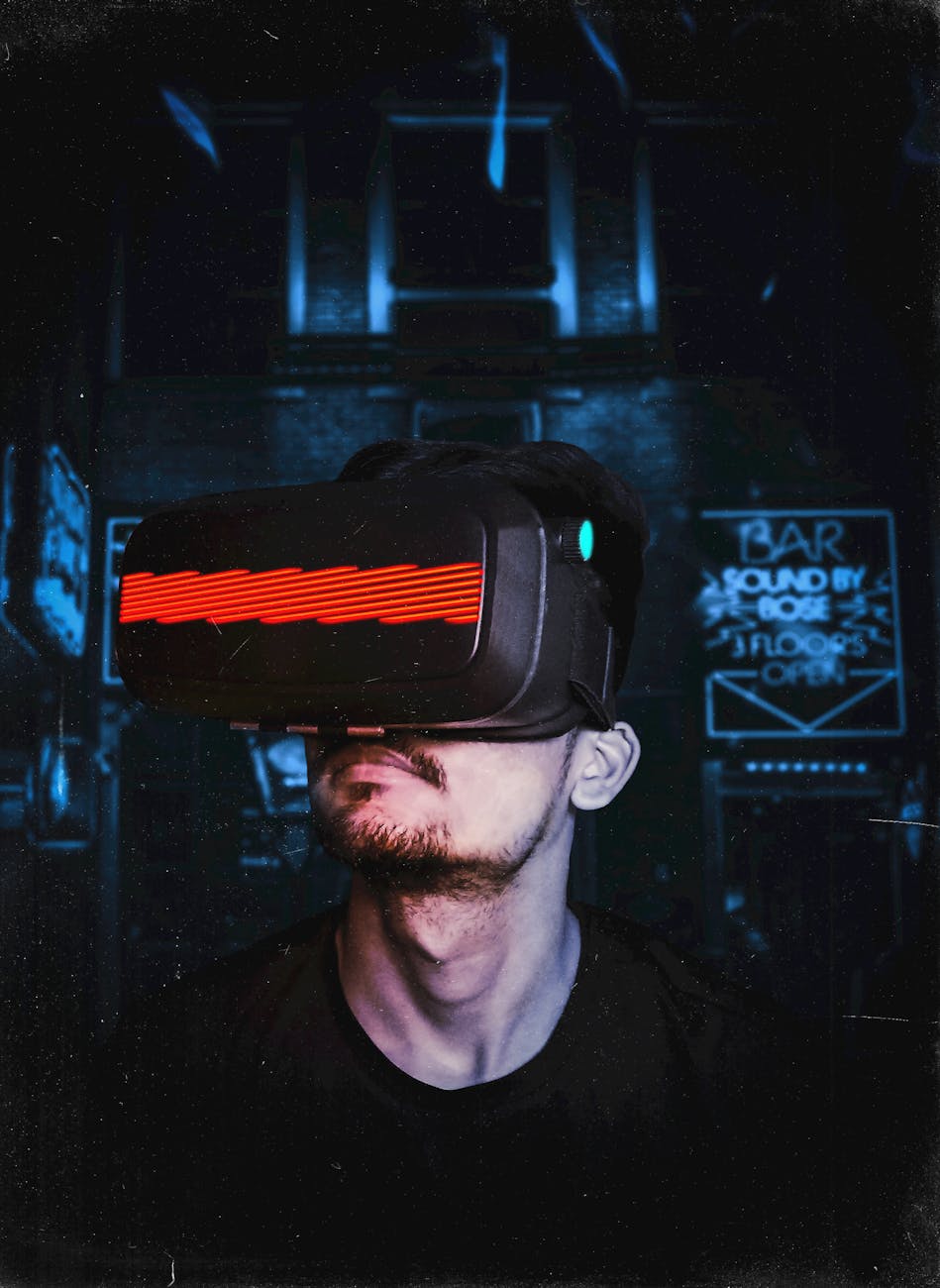
Virtual reality (VR) has been one of the most thrilling innovations in the world of gaming. By immersing players in a completely digital environment, VR technology has created a new realm of possibilities for developers and players alike. With the ability to simulate realistic worlds, engage players in new ways, and offer experiences that were once confined to science fiction, VR is quickly becoming a staple in the gaming industry.
In this blog, we’ll explore the rise of virtual reality in gaming, the technology behind it, the best VR games and platforms available today, and what the future holds for VR in gaming.
What is Virtual Reality in Gaming?
Virtual reality in gaming refers to the use of VR technology to immerse players in a 3D digital world. This is typically done using a VR headset, which covers the player’s eyes and ears, creating an environment that blocks out the real world. VR controllers allow players to interact with the virtual environment, and sometimes even additional equipment such as motion sensors or haptic feedback suits are used to enhance the experience.
With VR, gamers can step into the shoes of their in-game avatars, experiencing the game world from a first-person perspective in ways that traditional gaming simply cannot offer. Whether exploring vast landscapes, engaging in combat, or solving puzzles, VR offers a level of immersion that makes players feel like they are truly part of the game world.
Key Components of VR Gaming:
- Headset – A wearable device that displays the game world in 3D, typically with built-in motion sensors to track head movements.
- Controllers – Handheld devices that allow players to interact with the virtual world, simulating actions like grabbing objects or swinging weapons.
- Tracking Sensors – These sensors track the player’s body movement and position, translating those actions into the virtual space.
- Haptic Feedback – Devices that provide physical sensations, such as vibrations or resistance, to enhance realism and immersion.
The Evolution of VR in Gaming
Virtual reality has been around for decades, but it was only in the past 10 years that the technology reached a point where it could be realistically used in consumer gaming. Early attempts at VR were cumbersome and expensive, with limited availability and poor performance. However, advances in computing power, graphics, and hardware design have allowed VR to mature and become more accessible to players around the world.
Key Milestones in the Evolution of VR:
- 1991 – Virtuality Group – One of the first VR arcade systems, offering an immersive experience with simple polygon-based graphics.
- 2010 – Oculus Rift Kickstarter Campaign – Oculus VR’s successful crowdfunding campaign for the Rift headset, which brought modern VR gaming to the forefront of the industry.
- 2016 – Sony PlayStation VR – Sony entered the VR market with the PlayStation VR, bringing VR to console gamers and making the technology more accessible to the masses.
- 2020 – Oculus Quest 2 – The Oculus Quest 2, a standalone VR headset, removed the need for a PC or console, allowing gamers to enjoy VR experiences without being tethered to a specific machine.
These milestones demonstrate how VR gaming has evolved from a niche technology into a widely accepted and exciting form of entertainment.
Why VR is a Game-Changer for Gaming Experiences
VR gaming is a game-changer for several reasons. It offers a level of immersion and interactivity that traditional gaming simply cannot match. Here are a few key aspects that make VR so revolutionary:
1. Immersion and Presence
One of the most compelling reasons to dive into VR is the immersive experience it offers. Traditional games typically rely on visual and audio cues to engage the player, but VR places you inside the game world. The 360-degree field of view and the ability to look around and explore the virtual environment gives you the feeling of being physically present in that space. Whether you’re walking through a city or flying through the cosmos, VR creates a sense of presence that traditional gaming cannot replicate.
2. Realistic Interactions
In VR, the interaction is more intuitive than ever before. Using hand controllers or motion-sensing devices, players can pick up objects, interact with characters, and perform in-game actions as if they were in the real world. The level of realism is unprecedented, whether you’re swinging a sword in a medieval fantasy or performing complex dance moves in a rhythm game. This makes gameplay feel far more engaging and interactive.
3. New Gameplay Mechanics
With VR, developers can explore new gameplay mechanics that wouldn’t be possible in traditional games. For example, many VR games incorporate physical movement into gameplay, requiring players to walk, crouch, or jump in the real world to perform actions in the game. This can make gameplay more physically engaging, offering a unique experience for players. Additionally, VR allows for complex multiplayer interactions where players can meet and interact in virtual spaces, fostering social experiences that are less limited by physical space.
4. Presence of Virtual Social Interactions
VR has also opened the door for social gaming in a whole new way. With multiplayer VR games, players can interact with others in real-time, within fully immersive virtual spaces. This makes VR a unique platform for socializing, whether it’s teaming up to play games or simply chatting in a virtual environment. This is especially important as gaming communities increasingly look for new ways to connect, collaborate, and communicate within games.
Top VR Games and Platforms
As VR technology has advanced, a growing library of VR games has emerged, offering a variety of genres for every type of gamer. Whether you’re into action-packed adventures, puzzle-solving, or relaxation experiences, there’s something for everyone in VR.
1. Beat Saber (2018)
Beat Saber is one of the most popular VR games, combining rhythm gameplay with lightsaber-like controllers to slice through blocks to the beat of music. It’s a workout, a rhythm game, and an immersive VR experience all rolled into one.
2. Half-Life: Alyx (2020)
As a prequel to the Half-Life series, Half-Life: Alyx delivers a deeply immersive first-person shooter experience that fully utilizes VR’s capabilities. The game allows players to physically interact with objects, solve puzzles, and engage in intense combat, all while navigating a richly detailed world.
3. The Walking Dead: Saints & Sinners (2020)
This survival horror game immerses players in a post-apocalyptic world filled with zombies. The game makes full use of VR’s physicality, where players can swing weapons, search for supplies, and experience the thrill of fighting off walkers in a visceral and engaging way.
4. Superhot VR (2016)
In Superhot VR, time only moves when you do, allowing for highly strategic combat as you fight enemies in slow motion. The game is known for its innovative mechanics and unique visual style, making it one of the standout VR titles.
5. No Man’s Sky VR (2020)
The massive space exploration game No Man’s Sky brought VR to its vast universe in 2020. Players can explore planets, mine resources, build bases, and interact with others in fully immersive environments, all from the cockpit of their ship or while exploring alien worlds.
Challenges Facing VR Gaming
While VR is an exciting and innovative form of gaming, there are still some challenges that need to be overcome. Here are a few of the hurdles VR faces:
1. Cost of Equipment
High-quality VR headsets and controllers can be expensive, with some systems costing several hundred dollars. While prices have come down in recent years, the cost can still be a barrier for many players. However, standalone VR headsets like the Oculus Quest 2 have helped make VR more accessible, eliminating the need for expensive gaming PCs or consoles.
2. Motion Sickness
Some players experience motion sickness when playing VR games, especially those involving fast movement or a lack of frame rate stability. Developers are working hard to optimize VR games to reduce discomfort, but it remains an issue for some users.
3. Space Requirements
To fully enjoy VR, players need a certain amount of physical space to move around. This can be difficult for people with limited room, especially in smaller apartments or living spaces.
The Future of VR in Gaming
The future of VR in gaming is incredibly promising, with continued advancements in hardware, software, and gameplay experiences. As technology improves, we can expect even more immersive, realistic, and interactive experiences. Here are some trends to look out for:
1. More Affordable VR Headsets
As VR technology matures, we can expect to see even more affordable headsets that don’t require powerful gaming PCs or consoles. Standalone VR headsets like the Oculus Quest 2 are already paving the way for a more budget-friendly future for VR gaming.
2. Better Graphics and Performance
The next generation of VR headsets will offer better graphics, smoother gameplay, and more realistic environments, making the virtual world feel even more lifelike. Developers will continue to push the boundaries of realism, creating more stunning and engaging virtual environments.
3. Augmented Reality (AR) Integration
We may see a merging of VR and augmented reality (AR) in the future. AR could allow players to blend real-world elements with digital experiences, further enhancing immersion and creating new ways to interact with the world around them.
4. VR Social Experiences
As VR evolves, so will the potential for virtual social spaces. Future VR games and platforms will likely offer even more opportunities for players to socialize, collaborate, and create together in immersive, shared virtual worlds.
Conclusion
Virtual reality is one of the most exciting and revolutionary developments in gaming today. By offering players immersive, interactive experiences that traditional gaming simply cannot match, VR has opened up new doors for how we experience and engage with video games.

Leave a comment