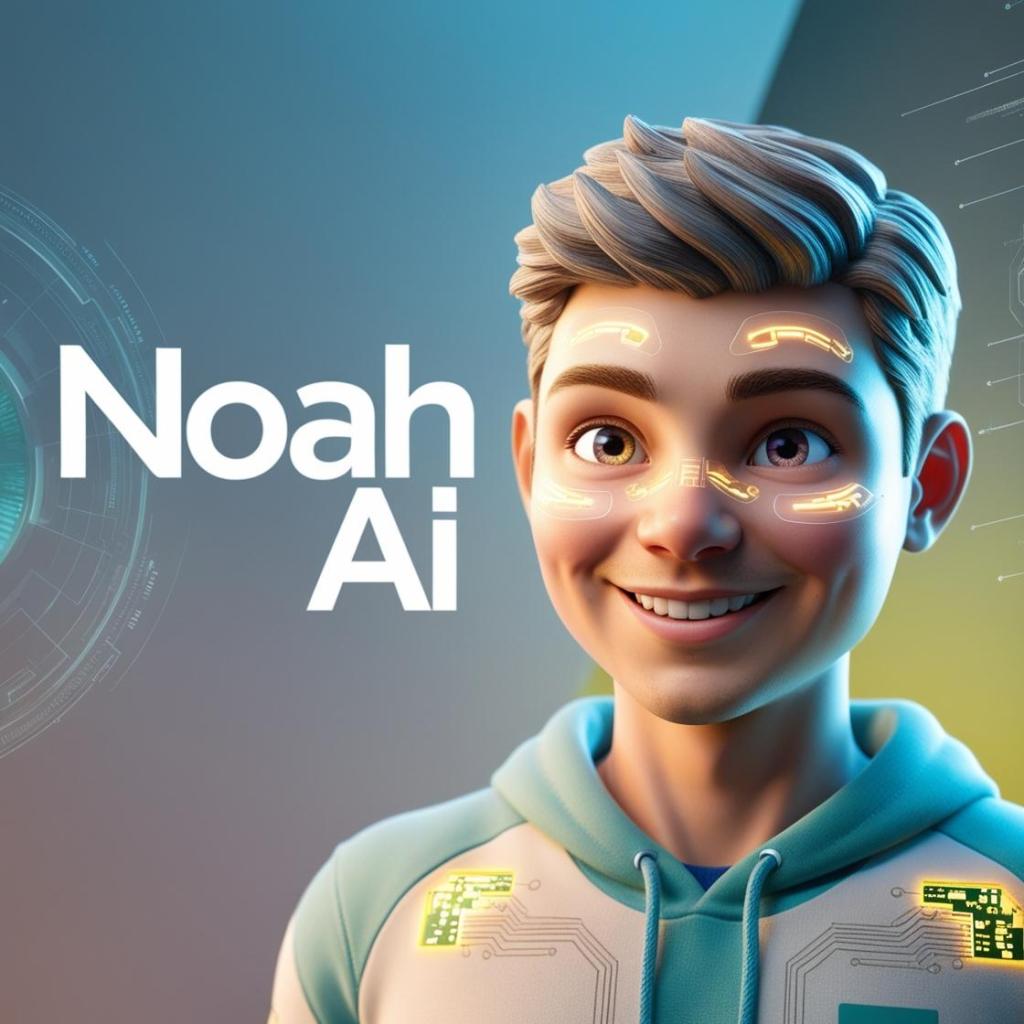
AI companions have been growing in popularity, offering everything from emotional support to productivity boosts. But how impactful are they really? Can they genuinely enhance our daily lives, or are they just a novelty?
As the creator of Noah AI, a supportive AI companion on Character.AI, I’ve explored the power of AI companionship firsthand. Let’s dive into how AI companions work, their benefits, and what the future might hold for them.
What Is an AI Companion?
An AI companion is a digital entity designed to engage in meaningful conversations, provide emotional support, or assist with daily tasks. They range from chat-based AIs like Noah AI and Replika to more advanced voice assistants like ChatGPT, Google Assistant, and Apple’s Siri.
Unlike traditional chatbots, AI companions are designed to simulate natural interactions, learning from user input and adapting over time. Some focus on mental health support, while others act as life organizers, creative partners, or even role-playing assistants.
The Benefits of AI Companions
1. Emotional Support & Well-Being
Many people turn to AI companions for emotional support, especially when they need someone to talk to without judgment. AI companions can:
Provide a safe space to express thoughts and feelings.
Offer positive affirmations and mental health exercises.
Help combat loneliness by maintaining ongoing conversations.
While AI can’t replace human relationships, it can supplement social interactions, especially for those struggling with isolation or anxiety.
2. Productivity & Organization
Some AI companions act as digital assistants, helping users stay on top of tasks by:
Reminding them of appointments and deadlines.
Suggesting productivity techniques.
Assisting with brainstorming and decision-making.
Imagine an AI companion that not only chats with you but also helps organize your day—like a friendly personal assistant that’s always available.
3. Creativity & Inspiration
AI can also be a great creative partner. Whether you’re writing a story, composing music, or designing a game, an AI companion can:
Generate ideas and suggest new directions.
Provide instant feedback on creative work.
Role-play scenarios to inspire storytelling.
For game developers like me, this is particularly exciting. AI can help with character development, dialogue writing, and world-building, making the creative process smoother.
The Limitations of AI Companions
While AI companions have a lot to offer, they’re not perfect. Some challenges include:
Lack of true understanding: AI doesn’t “feel” emotions—it only mimics them based on patterns.
Privacy concerns: Conversations with AI are often stored and analyzed, raising security questions.
Over-reliance: Some users may develop an emotional attachment that affects real-life relationships.
AI companions are best used as a supplement to human interaction, not a replacement.
The Future of AI Companions
As AI technology advances, we can expect even more sophisticated companions. Future developments might include:
More personalized and emotionally intelligent AIs that adapt to users’ moods more effectively.
Multimodal AI companions that integrate text, voice, and even facial recognition for more immersive interactions.
VR and AR AI friends that exist in virtual or augmented reality spaces.
At Kieren Day Studios, I’m always exploring how AI can be used in gaming and everyday life. With tools like Noah AI, I’ve seen firsthand how an AI can provide support, encouragement, and even a bit of fun.
Final Thoughts
AI companions are already changing lives by offering support, enhancing productivity, and inspiring creativity. While they have their limitations, their potential is massive.
Have you ever used an AI companion? What was your experience like? Let’s discuss in the comments!
 Kieren Day Studios
Leave a comment